
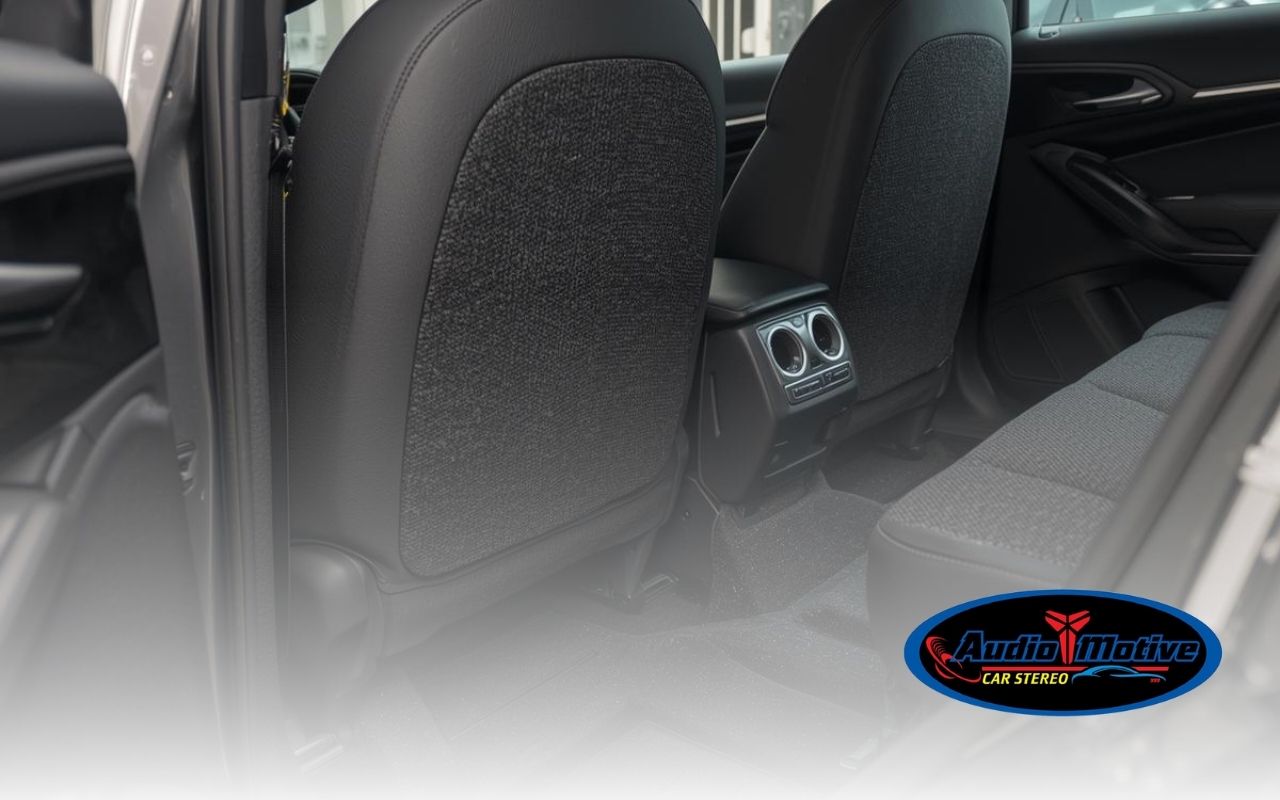
Experience the transformation of your driving experience by delving into the world of sound deadening. As you cruise down the highway, the persistent roar of traffic can drown out your favorite tunes. By using car audio installation services, you can reclaim your cabin’s tranquility and enhance your system. Understanding why sound deadening matters in car audio improves listening pleasure and overall vehicle performance. Explore how strategic use of car soundproofing materials can turn your car into a mobile sanctuary.
The Impact of Road Noise on Driving Experience
Road noise comes from many sources: tires rolling on pavement, wind rushing past windows, engines from other vehicles, and hidden road cracks. These sounds add up inside your cabin, making it harder to focus on the road ahead. Constant noise can cause fatigue and distract you from important driving cues like horns or emergency sirens. Recognizing how street sound seeps into your car is the first step toward a quieter ride.
High levels of cabin noise can also raise stress levels. Research shows that noise over 70 decibels can tire drivers faster, affecting reaction times and overall safety. Learning why sound deadening matters in car audio helps you see how reducing noise keeps you alert and relaxed. Effective road noise control lets you enjoy clearer conversations and better music without cranking the volume.
Benefits of Reducing Road Noise in Your Vehicle
- Reduced driver fatigue and fewer distractions.
- Improved audio clarity with better low-end bass and richer midrange sounds.
- Added value to your vehicle for prospective buyers.
Using car soundproofing materials blocks noise and enhances your system’s true potential, making every trip more enjoyable. You can learn more about system upgrades with audio system planning.
Understanding Sound Deadening Materials
Sound deadening materials absorb and block vibrations that turn into unwanted noise. They come in rolls, mats, or sheets that stick to your car’s metal surfaces. Dense products combining foam, rubber, or bitumen layers trap sound waves and stop them from passing through door panels, floors, or roof panels. These layers also reduce panel resonance and rattles. Combined with quality speakers and amps, they unlock your audio system’s best performance.
Different Types of Soundproofing Products for Cars
- Damping mats made of dense rubber or bitumen for vibration control.
- Acoustic foams and closed-cell foams to absorb mid- to high-frequency sounds.
- Mass-loaded vinyl and spray-on sealants for barrier protection.
Mixing these types creates a layered defense against road noise. For full installation guidance, check out our car amplifier installation guide.
How to Choose the Right Sound Deadening Material for Your Vehicle
- Identify areas where noise enters: doors, floors, roof, and trunk.
- Balance absorption (foam) versus blockage (damping mats).
- Consider material weight, thickness, and ease of installation.
DIY Installation Tips for Sound Deadening
Clean the surface before installing mats, removing old adhesive, rust, or dirt. Measure and cut each piece carefully, keeping seams tight but not overlapping. Use a roller to press mats into every corner. Work in small sections, letting mats settle for 24 hours before reinstalling panels. Patience ensures a quieter cabin.
Enhancing Car Audio System Performance Through Soundproofing
Blocking outside noise lets speakers deliver clear, balanced sound with less power. Why sound deadening matters in car audio becomes obvious when low bass notes and true tones emerge. Speaker baffles and enclosure pads reduce panel vibration, creating an immersive listening experience.
Professional Soundproofing Services for Vehicles
Professional shops handle full cabin treatments efficiently. Experts use top-grade car soundproofing materials and precise installation tools. Services often include warranty coverage for long-term peace of mind. While DIY remains budget-friendly, professional installations guarantee tight seals and superior audio performance.
Maintenance and Care for Sound Deadening Materials
Check seals periodically, keep panels clean, and reapply adhesives if panels are removed. Proper maintenance ensures a quiet cabin and lasting audio quality.
Creating a Tranquil Driving Environment with Sound Deadening
Reducing road noise improves safety, audio clarity, and driving pleasure. Whether DIY or professional, a sound-deadened cabin turns your car into a calm, acoustically tuned space.
FAQs
What are the best areas to apply sound deadening?
Focus on doors, floors, roof, and trunk areas where noise penetrates the most.
Can I install soundproofing materials myself?
Yes, with peel-and-stick mats and foam sheets, but careful measurement and patience are essential.
How do sound deadening materials improve audio quality?
They reduce panel vibrations, allowing speakers to deliver clearer tones and better bass response.
Do professional installations offer advantages over DIY?
Yes, pros ensure full coverage, precise cuts, and warranty protection for peace of mind.
How do I maintain soundproofing materials?
Check seals, keep panels clean, and reapply adhesive if mats shift or are removed.
For further guidance, you can contact us through our contact page.