
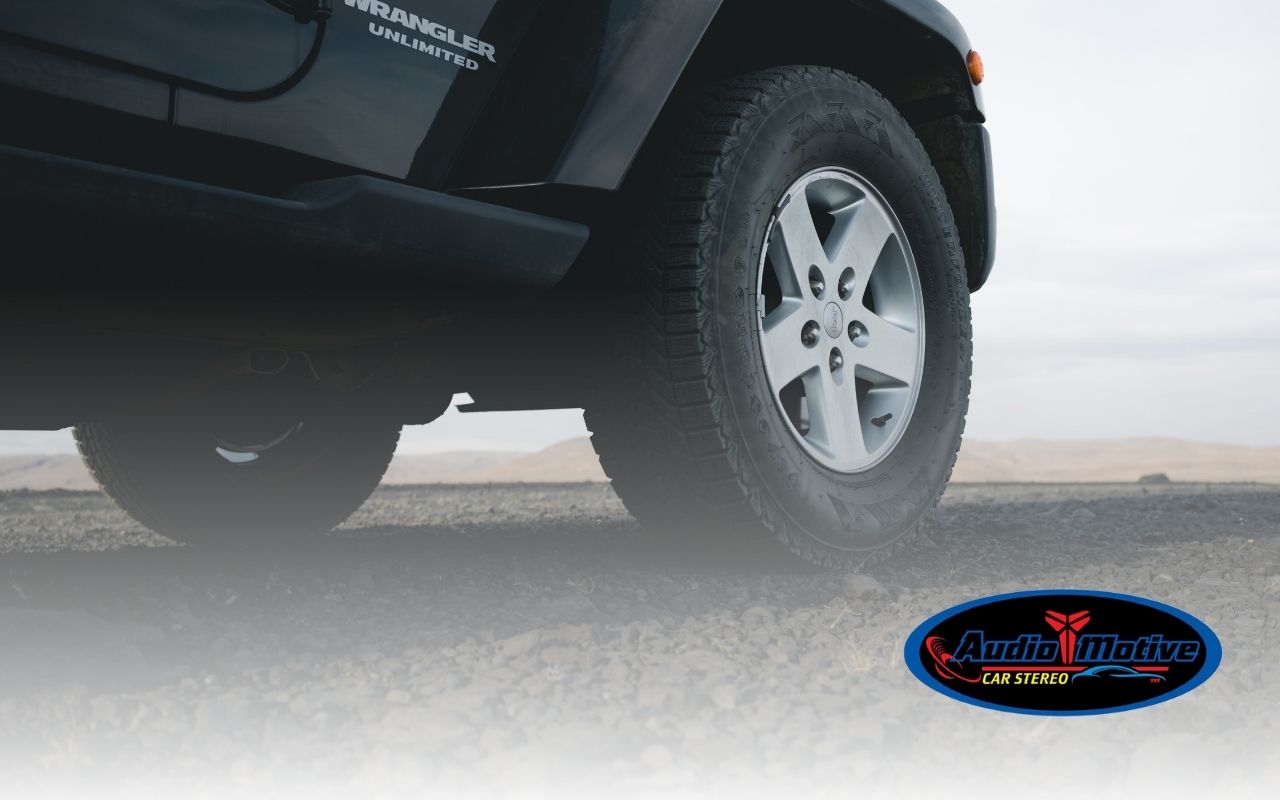
Feel the difference on every drive with practical reduce road vibration tips. Whether commuting or planning a long trip, constant shake ruins enjoyment. Many drivers accept it, yet simple tweaks improve comfort quickly. By focusing on a few vehicle areas, you can upgrade the experience without complex work. Explore small changes that deliver big results.
From checking tire pressure to proper wheel alignment, these actions transform your daily drive. Not only will they smooth the ride, but they might also extend your car’s life. Therefore, say goodbye to pesky vibrations and hello to a comfortable drive. Additionally, apply reduce road vibration tips regularly to maintain results.
Importance of Addressing Road Vibration
Constant shaking turns any pleasant drive into a chore. Road vibration is not a minor annoyance; it can cause fatigue, sore muscles, and less focus. Over time, unchecked vibration may also damage parts like bushings or loose fittings. Thus, taking steps early protects your comfort and your car’s longevity.
A smoother ride is not only about luxury; it’s about safety and savings. When vibrations drop, steering feels precise and handling improves, lowering accident risk. Moreover, vibration-related wear on springs or wheel bearings gets expensive. So, addressing this issue today means fewer shop visits tomorrow.
Checking and Adjusting Tire Pressure
- Maintain proper tire pressure to create a cushioned ride that absorbs small bumps and cracks.
- Underinflated tires flex too much, causing extra contact and sending vibration through the frame.
- Overinflated tires absorb less shock, sending jolts straight to the cabin.
- Check pressure monthly and always when tires are cold for accuracy.
- Use a reliable gauge and compare against your door sticker or owner’s manual.
- If carrying heavy loads or traveling far, raise pressure slightly without exceeding the tire limit.
Benefits of Proper Wheel Alignment
Ensure wheels point correctly for even wear and a smoother ride. Misaligned wheels can make your car pull, creating uneven contact with the road. This imbalance shortens tire life and creates constant vibration. Therefore, check alignment after big potholes, uneven wear, or yearly.
A professional alignment adjusts camber, toe, and caster so tires roll straight. With wheels balanced and true, you’ll drive confidently and lessen shake. Consequently, you’ll apply reduce road vibration tips with better results during daily use.
Impact of Suspension System on Road Vibration
- Support from springs, struts, and control arms determines how much roughness reaches you.
- Worn springs sag and lose absorption, while aged struts can leak and lose control.
- Both issues allow more vibration into the cabin.
- Inspect suspension parts for rust, cracks, or leaks twice a year.
- Replace weak springs or bouncy struts promptly to restore ride quality.
Choosing the Right Tires for a Smoother Ride
Select tires designed for comfort rather than aggressive patterns. Touring or grand-touring tires often use softer rubber and extra cushion layers, which absorb bumps and road imperfections. All-season options usually have smoother tread blocks, reducing vibration and cabin noise compared to off-road or performance tires.
Focus on comfort and noise ratings. Look for labels like “touring” or “comfort,” and read user reviews for real-world impressions. By choosing the right tires, you’ll see a clear improvement in ride quality. Moreover, you’ll apply reduce road vibration tips every time you drive.
Dampening Vibration with Proper Shock Absorbers
Use quality shock absorbers to keep your ride stable. Shocks control spring movement, smoothing jolts. When shocks wear out, springs bounce and vibrations grow. New shocks restore balance, helping your car glide over bumps rather than rattle. Watch for bouncing, longer stops, or odd tire wear.
If your car feels floaty or the trunk sags, it’s time for new shocks. Upgrading to branded or heavy-duty shocks can further reduce shake. Additionally, consider audio upgrades to enhance comfort. Learn how to install a car amplifier to complement your smooth ride. These reduce road vibration tips pair well with fresh shocks.
Ensuring Proper Balancing of Wheels
- Balance wheels to prevent uneven weight that causes shaking at higher speeds.
- Even a small imbalance can create rapid vibration at 40–50 mph.
- Balancing adds tiny counterweights to ensure smooth rotation.
- Avoid DIY kits; this job is best for a tire shop.
- Rebalance when rotating or replacing tires, or if new shaking appears.
Minimizing Road Vibration through Regular Maintenance
Schedule routine checks to catch wear before it worsens. Simple inspections of bushings, ball joints, and tie rods keep parts tight. Loose connections and worn mounts amplify vibration, so replace them promptly. Include inspections during oil changes or seasonal visits.
Ask your service provider to look for torn boots, leaks, or cracked mounts. Proper upkeep helps reduce shake and prevents bigger issues. Additionally, these reduce road vibration tips work best with consistent care. Plan your car audio system as part of overall upkeep for a smoother journey.
Additional Tips for a Comfortable Drive
Adjust your seating for comfort and control. Good lumbar support and seat height reduce tension, making small vibrations less noticeable. Replace an old cabin air filter to improve airflow and reduce noise. Develop smooth habits. Gentle acceleration and braking prevent jolts and keep suspension shifts minimal.
These small adjustments, combined with mechanical care, provide extra ways to improve comfort. For tailored help, check car audio installation tips in San Leandro. Finally, keep applying reduce road vibration tips to sustain a calm cabin.
Frequently Asked Questions
How often should I check my tire pressure to reduce road vibration?
Check tire pressure monthly and before long trips. Cold tires give the most accurate reading.
Can new shock absorbers really reduce road vibration?
Yes. Quality shocks smooth spring movement and reduce the vibrations that reach the cabin.
Does wheel alignment affect ride comfort?
Absolutely. Proper alignment ensures even tire wear and prevents pulling, which reduces vibration.
Which tires are best for a smoother ride?
Touring or grand-touring tires with soft rubber and cushion layers absorb bumps and minimize vibration.
How does regular maintenance help with road vibration?
Routine checks of bushings, joints, and mounts prevent shaking and extend component life.
Enjoy a Vibration-Free Journey
In summary, checking tire pressure, ensuring alignment, and maintaining suspension parts transforms your drive. Each adjustment adds up to a smoother ride and fewer repairs. Therefore, embrace these reduce road vibration tips to protect comfort and vehicle health. With proper care and parts, every trip becomes more enjoyable. For questions, contact our experts today.