Video telematics combines camera footage with vehicle data to show what happens on and around the road. It can connect video with location, speed, motion, and driving events. For personal drivers and fleets, this added context can support security, safer driving, and clearer incident reviews.
At Audiomotive, we help drivers choose systems that match their vehicle, parking habits, and daily needs. Modern video telematics can include connected alerts, smart recording, storage choices, and features that go beyond a basic dash cam.
Connected Cameras Add Context Beyond Basic Dash Cam Footage
Modern systems bring together cameras, sensors, GPS, and connected software. Depending on the setup, they may record the road, watch parked vehicles, detect sudden movement, or send alerts to a mobile app.
- Front or dual-camera coverage
- GPS and location data
- Motion-triggered recording
- Night recording and alerts
- Local or cloud video storage
Features vary by device, service plan, vehicle, and installation. Because of that, drivers should compare functions carefully before choosing a system.
Smarter Security Features Support Faster Vehicle Incident Awareness
Traditional alarms rely mainly on sound. Video telematics can add visual records, mobile alerts, and event footage to a broader security setup. If a compatible system detects motion or impact, it may start recording or send a notification.
That added visibility can work well with our smart vehicle security options. It does not prevent every break-in or theft, but it can help owners review suspicious activity sooner.
AI Dash Cam Features Improve Everyday Driving Awareness
Many 2026 AI dash cam features focus on helping drivers notice hazards earlier. Depending on the model, systems may identify lane movement, forward risks, sudden braking, pedestrians, cyclists, or signs of driver fatigue.
- Lane-departure alerts
- Forward-collision warnings
- Driver-fatigue notifications
- Pedestrian or cyclist detection
- Low-light recording support
These tools can improve awareness, but they do not replace attentive driving. Weather, lighting, camera position, and equipment quality can all affect performance.
Automatic Detection Makes Important Incident Footage Easier To Find
Incident detection can use accelerometers and other sensors to recognize sudden impacts, hard braking, or unusual movement. When an event happens, the system may mark the clip and send a notification through an app or connected dashboard.
Some systems also support auto-upload, which can save selected footage to the cloud after an event. This can make key files easier to locate, especially when reviewing a collision, vandalism event, or parking incident.
Cloud And Local Storage Suit Different Driver Needs
A cloud storage options comparison should look at access, retention, connectivity, privacy, and backup needs. Local storage can work without a cloud plan, while cloud access can make event footage easier to reach from another device.
- Check how long recordings stay available
- Review upload and cellular requirements
- Confirm video quality and file access
- Look for local backup support
- Review privacy and security settings
Hybrid systems can combine local recording with cloud access. For drivers who want connected protection, our car alarm installation services may also support a broader security plan.
Fleet And Personal Setups Require Different System Priorities
Fleet vs personal use often comes down to scale, access, and reporting. Fleet operators may need several cameras, centralized dashboards, user permissions, longer retention, and driver-event reports. Personal drivers often prefer simpler controls and easy mobile access.
Video telematics can serve both groups, but the best setup depends on vehicle count, storage needs, camera coverage, and daily use. At Audiomotive, we can explain how different system types fit different driving goals.
Frequently Asked Questions
What Is This Technology Used For?
It connects video with vehicle data such as location, motion, speed, or driving events. It can support security, incident review, parking monitoring, and driver-safety awareness.
Can Dash Cam Footage Support Insurance Claims?
Footage may help document a crash, theft, or vandalism event. Insurance premium discounts for dash cam users in 2026 depend on the insurer, location, policy terms, and available programs, so drivers should confirm details directly.
Does Every System Include Live Video Access?
No. Some systems offer live viewing, while others record locally or upload only selected events. Connectivity, hardware, and service plans affect what is available.
Can These Systems Replace A Car Alarm?
No. They serve different roles. Video adds recorded evidence and monitoring, while alarms provide an immediate audible warning. Compatible systems may work together.
Is Professional Installation Better For Advanced Systems?
Hardwired or integrated equipment often benefits from professional installation. Correct camera placement, wiring, and setup can improve reliability and reduce avoidable electrical or battery issues.
Professional Installation Helps Your System Work More Reliably
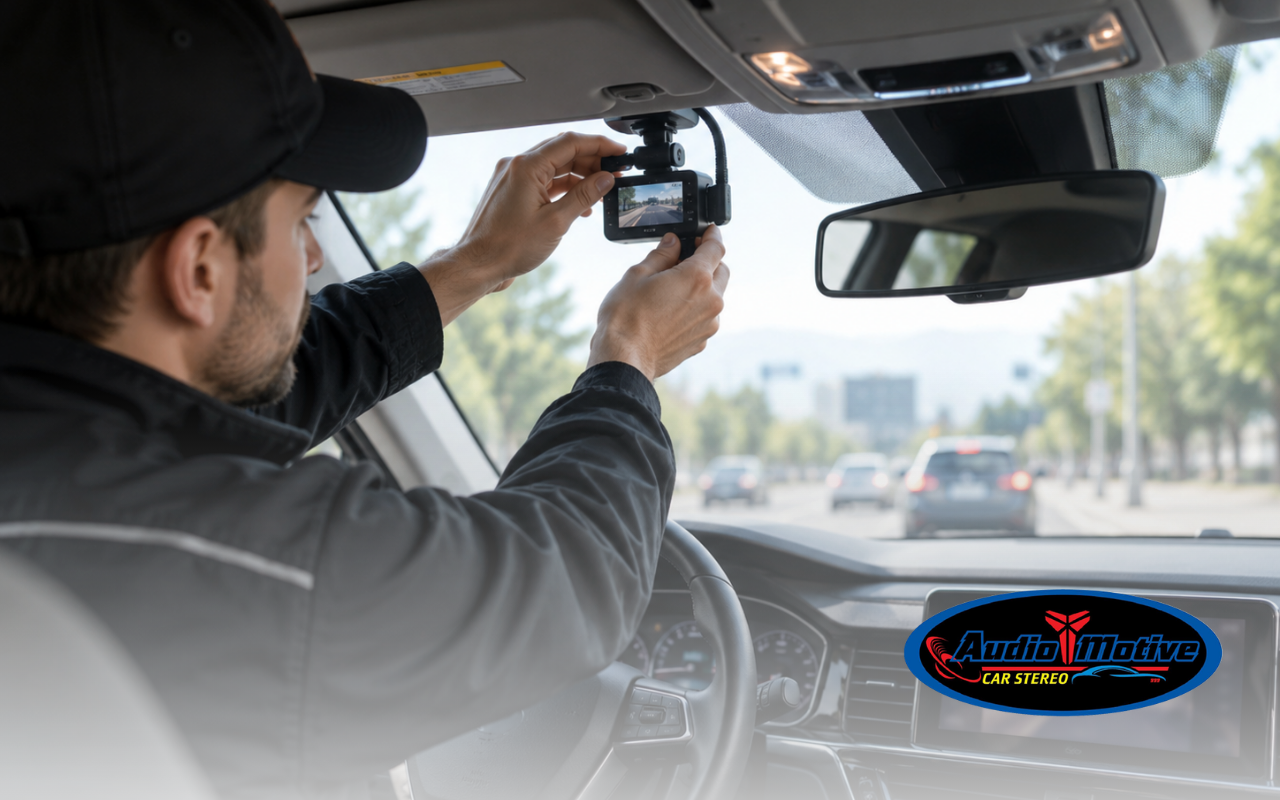
Some cameras are simple to plug in, but advanced video telematics may need hardwiring, camera positioning, app setup, or connection with other vehicle systems. Poor placement can leave important areas outside the camera view.
At Audiomotive, you get clear guidance before installation begins. Review our vehicle technology services or contact us to discuss a setup that fits your vehicle, storage needs, and security goals.