
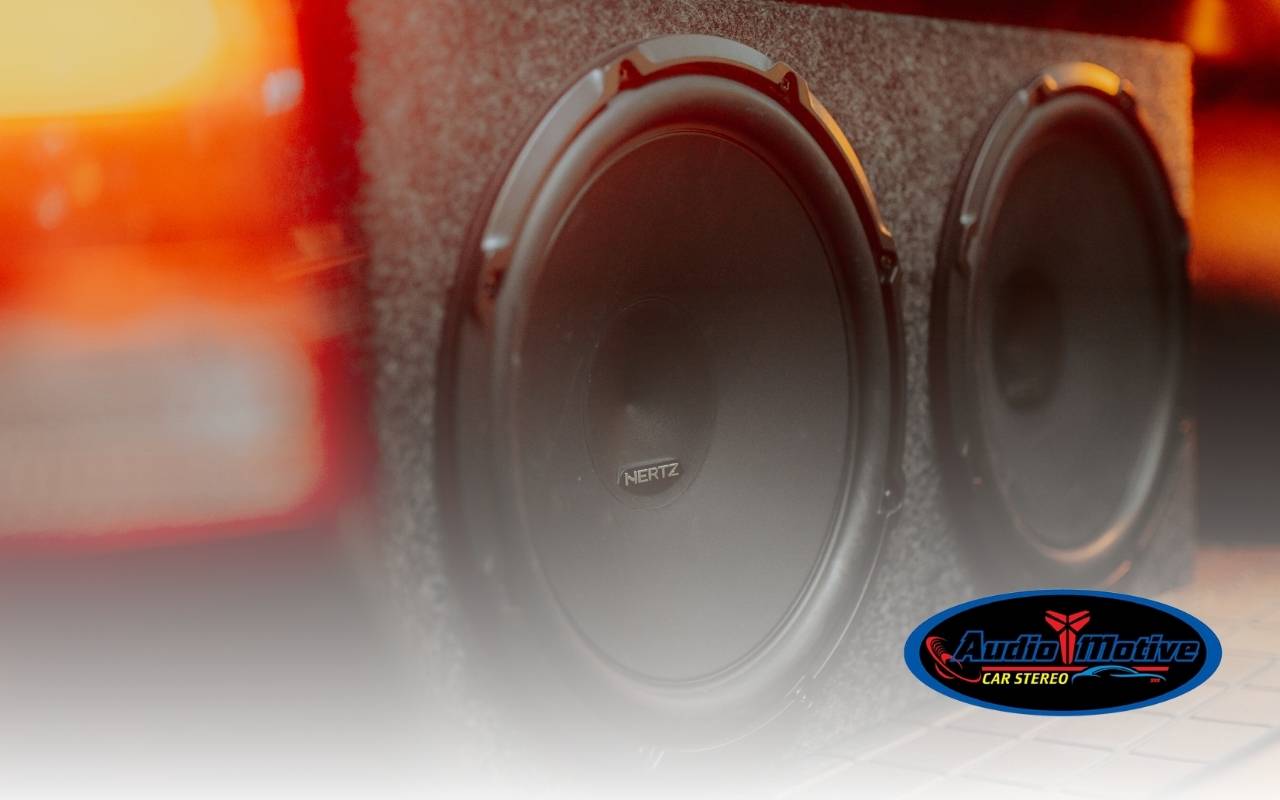
Subwoofer Box: Sealed vs Ported in San Francisco, CA is a common question for bass lovers in the Bay Area. As you drive through steep streets or relax at home, the right box style shapes every beat and movie scene.
This guide keeps things simple while explaining sealed vs ported box designs, bandpass enclosure basics, box tuning Hz, and easy car trunk sub install tips. Step by step, you will see how each enclosure works, when to use it, and how to get clean, powerful bass.
Understanding Subwoofer Boxes: A Brief Overview
Subwoofer boxes give low frequencies a stable home so the cone can move air with control and strength. Without the correct box, even a great woofer can sound weak, muddy, or harsh in your car or living room.
Most setups use a sealed or ported box. A sealed box is airtight. A ported box adds a vent to boost certain low notes. You may also hear about bandpass enclosure basics, where sealed and ported chambers combine for more focused bass in a narrow range.
- Sealed boxes: airtight and compact with smooth response.
- Ported boxes: use a vent for stronger low bass.
- Bandpass boxes: mix sealed and ported sections for special builds.
Sealed Subwoofer Boxes: Characteristics and Benefits
Sealed subwoofer boxes are simple, tight enclosures that trap air behind the cone. The air works like a spring, helping the cone stop and start quickly. Therefore, bass sounds clean, quick, and natural, which is perfect for detailed music.
Listeners who love jazz, rock, acoustic tracks, or precise movie effects often choose sealed designs. They reduce boom and keep complex bass lines easy to follow, even at higher volumes. This character makes them great for everyday listening in many rooms and vehicles.
- Tight, accurate bass that follows the music closely.
- Usually smaller, so they fit in compact trunks and rooms.
- Less risk of distortion when power suddenly increases.
Because sealed boxes are compact, they are easier to place in a car trunk or under a home theater stand. When you install one, secure it firmly to avoid rattles, and add foam or gasket tape around the woofer for an airtight seal and better performance.
Ported Subwoofer Boxes: Features and Advantages
Ported subwoofer boxes use a vent or tube so air can move in and out of the cabinet. This vent boosts low frequencies and makes the system more efficient. As a result, you get louder and deeper bass with the same or less amplifier power.
When planning a ported design, you will hear about box tuning Hz. This is the frequency where the port and woofer work together most strongly. If you match the tuning to the woofer’s specs, you can get impressive bass impact without wasting power.
- More output at low frequencies with the same amplifier power.
- Stronger bass impact for hip-hop, EDM, and pop.
- Great for large rooms or open car trunks when space allows.
Ported boxes are often bigger than sealed ones. However, their extra size lets them move more air and play deeper. In a car, keep the port facing open space, and leave room around it so air flows smoothly without whistling or chuffing noises.
Sound Quality Comparison for Subwoofer Box: Sealed vs Ported in San Francisco, CA
Sealed boxes focus on tight, precise bass that stops quickly when the note ends. This fast response keeps kick drums sharp and bass guitars clear, even during busy tracks. It also helps voices stay clean in movie soundtracks and live recordings.
Ported boxes highlight the lowest notes and add extra weight to each beat. They feel more physical, especially with bass-heavy music. However, if a ported system is not tuned or built well, the bass can sound loose or boomy rather than clear and controlled.
Bass Response: Impact of Sealed and Ported Boxes
In a sealed box, the air cushion behind the cone limits how far it moves. Because of this, bass notes start and stop quickly, and there is less overhang. You hear the rhythm instead of a long rumble after each note.
In a ported box, the tuned vent supports bass near the tuning frequency. Therefore, the system plays louder and deeper around that point. Below the tuning frequency, output drops more quickly, so placement, room size, and listening distance affect how even the bass feels.
Best Applications for Sealed Boxes
Sealed subwoofer boxes work well in home theaters where clarity matters. They keep dialogue clear while supporting explosions, footsteps, and music cues without drowning everything in rumble. Their smaller size makes them easy to hide behind furniture or near a TV stand.
In your car, sealed boxes suit drivers who want balanced sound for many music styles. They deliver consistent bass on city streets, bridge crossings, and highway drives without excessive boom. When paired with a correctly sized amp and quality speakers, sealed boxes become a dependable daily choice.
Best Applications for Ported Boxes
Ported enclosures are ideal when you want strong, chest-thumping bass. They are popular in show builds, weekend cruise setups, and systems built to impress friends. Fans of hip-hop, trap, EDM, and club music often prefer this style because each drop feels more powerful.
Drivers comparing options for Subwoofer Box: Sealed vs Ported in San Francisco, CA often pick ported boxes when they have enough trunk space. The added volume lets them enjoy deep bass under freeway overpasses, along the Embarcadero, or near the waterfront without maxing out the amplifier.
Factors to Consider When Choosing Between Sealed and Ported
Start with your listening style. If you want tight, controlled bass with detail, sealed boxes are a better match. If you love booming low-end impact and feel, ported boxes fit that goal. There is no single right answer for every listener or vehicle.
Next, think about space and power. Sealed boxes are smaller but need more amplifier power to play as loud. Ported boxes are larger but more efficient. Your full system matters too, including your matching amp to speaker setup and overall component choice.
- Available trunk or room space for the enclosure and port.
- Amplifier power and system design limits.
- Preferred music styles and typical volume levels.
- Goals for sound quality versus raw loudness.
You may also explore bandpass enclosure basics if you want a hybrid design with both sealed and ported chambers. For car builds, measure trunk size and note seat fold-down angles. Finally, consider box tuning Hz, cabin noise, and possible rattles when you choose between styles.
Installation Tips for Sealed and Ported Subwoofer Boxes
Correct placement is just as important as the box type. In cars, secure the enclosure with brackets or straps so it does not slide during turns or stops. In rooms, keep the box a few inches from walls to avoid muddy bass and strange echoes.
Use strong wood, tight screws, and silicone on all inside seams so air cannot leak. Add acoustic stuffing or foam when needed to reduce internal reflections. For ported boxes, never block the vent with luggage or walls, and leave clear space around it for smooth airflow.
Wiring also affects performance. Choose the correct gauge speaker wire, keep runs short, and use solid connections. Set your amp’s filters to match the box type and woofer. When you plan a full build, consider how to choose car audio system components and choosing RCA cables that protect signal quality.
These car trunk sub install tips also apply at home. Test different positions in the room, listen for smoother bass, and mark the best spots. Small changes in distance from walls, corners, and seats can make a big difference in how even the bass feels.
Frequently Asked Questions
Is a sealed or ported box better for daily driving in San Francisco?
For mixed music and busy traffic, many drivers prefer sealed boxes because they stay balanced at low and moderate volumes. However, if you want stronger impact for weekend cruises and shows, a well-built ported box can deliver more energy on the same route.
Will a ported box always be louder than a sealed box?
Usually, a ported box is louder around its tuning frequency because the vent adds extra output. Still, box size, tuning, vehicle shape, and amplifier power all matter. A poorly designed ported box may not beat a solid sealed box with the right woofer and settings.
What is box tuning Hz and why does it matter?
Box tuning Hz is the frequency where a ported box and woofer work together most strongly. When tuning matches the woofer’s recommended range, you get deeper and cleaner bass. If tuning is off, the system can sound boomy, thin, or uneven at key notes.
Are bandpass enclosures a good idea for beginners?
Bandpass enclosures can be powerful, but they are more complex to design and build. They focus on a narrow range of frequencies and are less forgiving of mistakes. Many beginners start with sealed or ported boxes before exploring bandpass enclosure basics with professional help.
When should I ask a local shop for help?
If you are unsure about measurements, tuning, or wiring, a professional installer can save time and protect your gear. A local expert can listen to your goals, check your equipment, and suggest the right box and placement for your vehicle or room.
Finding Your Perfect Subwoofer Box
Choosing between sealed and ported boxes means balancing space, power, and the way you like your music to feel. Sealed boxes give you smooth, precise bass in a small package. Ported boxes deliver heavier impact and deeper extension when you have room for a larger cabinet.
As you compare options for Subwoofer Box: Sealed vs Ported in San Francisco, CA, look at your car, room, and favorite playlists. Then test if possible, and trust your ears. When you are ready to plan or refine your system, you can contact our San Francisco car audio team to turn ideas into a dialed-in, reliable setup.