DSP Presets vs Manual Tuning can feel like a crossroads. On one side, you get speed and convenience. On the other, you get control and customization. Therefore, the best choice depends on what you need most.
As you explore sound setup, Real-Time Analysis (RTA) can shape your results. In addition, learning how adjustments affect your speakers helps you choose with confidence. Meanwhile, this guide walks through the tradeoffs, so you can enjoy better sound sooner.
DSP Presets vs Manual Tuning: A quick map
Both options aim to improve clarity and balance. However, they do it in different ways. Presets apply stored settings fast. Manual tuning lets you shape each detail yourself.
- Presets: quick changes with one button, often labeled “Movie,” “Music,” or “Live.”
- Manual tuning: hands-on control of EQ, delay, and crossover points.
- Hybrid: start with a preset, then refine a few key frequencies.
Understanding DSP presets for audio tuning
Digital Signal Processing (DSP) is software inside audio gear that shapes sound. So, many receivers and processors include preset modes. They adjust equalizer curves and filters with a single tap, which helps many listeners get a cleaner sound fast.
Companies test these modes in many setups. As a result, you often get a pleasant balance of bass, mids, and highs right away. Still, your car and speakers may differ from the test space, so results can vary.
Exploring the advantages of DSP presets
Presets are popular because they save time. Also, they reduce guesswork when you are new. For many systems, this creates a simpler DSP tuning workflow that feels less intimidating.
- Speed: you apply filters and EQ curves instantly.
- Consistency: factory modes sound similar each time you select them.
- Ease: you can improve balance without deep theory.
If you are building a full system, you can also review choose car audio system components to match gear before you tune.
The drawbacks of relying on DSP presets
However, presets may not match your cabin’s quirks. A mode tuned in a large space can overboost bass in a small car. Therefore, some frequencies may feel too loud, or too soft, for your ears.
Also, presets can slow learning. When you skip manual steps, you miss how each filter changes sound. Finally, some systems lock deeper controls while a preset is active, which limits personal taste.
Delving into manual tuning for audio systems
Manual tuning lets you adjust each setting by ear, or with simple tools. You work with EQ bands, time alignment, and crossover points to suit your car. Although it takes longer, it can deliver a result that fits your space and speakers better.
Many people use test tones, sweeps, or pink noise. Then they correct boomy bass, harsh highs, or muddy mids. As you practice, you also learn your system’s real limits and strengths.
Benefits of manual tuning over presets
Personalization is the big win. In addition, you build skills that help on future upgrades. For example, you can dial in vocals, tighten bass, and improve imaging with small, careful moves.
- Personal taste: adjust what matters to your music and listening style.
- Better learning: you understand what each control does over time.
- More natural balance: you avoid “one-size-fits-all” boosts.
For cleaner signal flow before you tune, consider choosing the right RCA cables as part of your setup plan.
Challenges and considerations in manual audio tuning
Manual work needs time and patience. So, quiet hours matter. Also, you must learn basic tools and how to read results without chasing perfection.
- Time: you need uninterrupted sessions for testing and listening.
- Learning curve: you must translate readings into EQ changes.
- Over-adjusting: too much EQ can remove warmth or sparkle.
Real-Time Analysis (RTA) in sound tuning
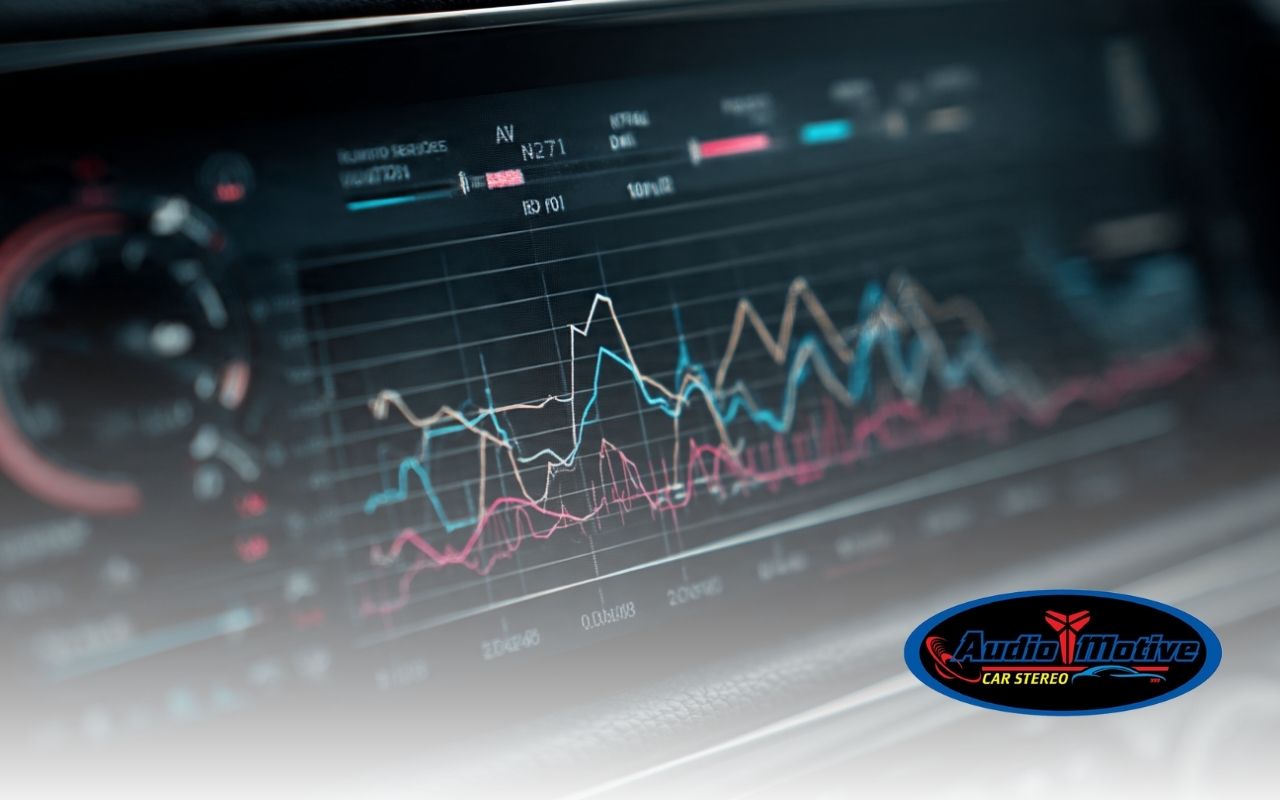
RTA uses a microphone and software to show live frequency levels. Therefore, you can see peaks and dips that your room or car creates. Knowing RTA basics helps you spot problem zones quickly, instead of guessing.
You place the mic at the listening spot, then play pink noise. Next, you watch the graph and make small EQ moves. Many phone apps can help, especially with a decent measurement mic.
Making an informed choice
Choosing DSP Presets vs Manual Tuning depends on your goals and schedule. If you need better sound fast, presets help. However, if you enjoy control, manual tuning gives deeper rewards over time.
Many drivers like a blended approach. Start with a preset, then fix only what stands out. This can also clarify Auto EQ vs manual decisions, because you learn what the system changes for you.
If you want expert help for wiring, placement, and tuning, explore car audio installation services to reduce mistakes and save time.
Personalizing your sound experience
First, note reflective surfaces like glass and hard panels. Then, reduce echoes with smart placement or simple damping. After that, measure and adjust in small steps, so changes stay controlled.
- Map the cabin: identify walls, windows, and seat positions that reflect sound.
- Measure: run pink noise and note where peaks and dips appear.
- Tune gently: move in 1–3 dB steps, then listen again with familiar tracks.
For local help, you can also check audio system services in San Leandro, CA for support that matches your vehicle and goals.
Frequently Asked Questions
Is DSP Presets vs Manual Tuning better for beginners?
Presets are usually easier at first. However, light manual tweaks can still improve results.
How do I start a clean tuning session?
Start with good placement and solid connections. Then use familiar music and small EQ moves.
Do I need special tools for manual tuning?
No, not always. Still, a simple mic and an RTA app can speed up better decisions.
When should I avoid presets?
If the sound feels boomy or sharp, presets may not fit your cabin. Then manual tweaks help more.
What is the simplest way to combine both methods?
Pick a preset you like, then adjust only two or three problem areas. This keeps changes focused.
Finding the perfect balance
DSP Presets vs Manual Tuning both have real strengths. Presets offer quick wins and steady results. Manual tuning offers control and long-term skill growth. Therefore, many people start simple and refine later, based on what they hear.
If you want a tailored setup without the trial-and-error, reach out to contact Audiomotive Car Stereo for guidance that fits your vehicle and listening style.