
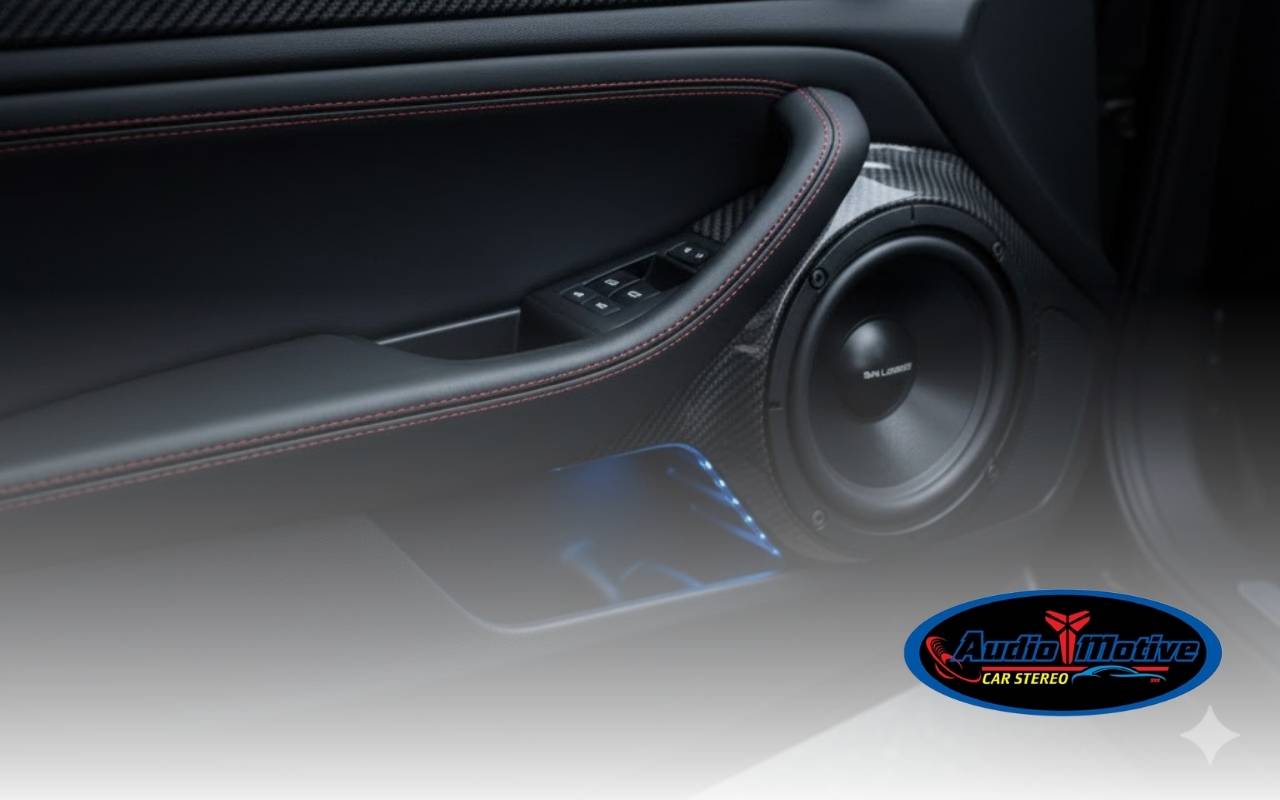
Coaxial vs Component Speakers in San Leandro, CA is a key decision when you want better music in your car. Your choice shapes how every song feels during your daily drive. Both options can turn a plain commute into something closer to a rolling concert.
However, the details matter. The way each speaker is built changes clarity, loudness, and how wide the sound feels. As you explore coaxial speakers explained in simple terms and learn what makes components special, you can match your setup to your habits, budget, and upgrade plans, including any future big 3 upgrade or alternator cable upgrade.
Sound Quality Comparison: Coaxial vs Component Speakers in San Leandro, CA
First, think about what you hear most: clear voices, sharp highs, and steady bass. Coaxial speakers place the tweeter and woofer in the same frame. This design gives balanced sound without much tuning. For many drivers, this is enough for daily listening in San Leandro traffic.
Next, consider component speakers. They separate tweeters and woofers, so you can spread sound through the cabin. Proper placement gives a wide sound stage that feels like music in front of you, not down at your feet. This is one of the biggest component speakers benefits for music lovers.
- Coaxial speakers: quick upgrade, even sound across most seats.
- Component speakers: better detail, stronger staging, deeper sound field.
- Best choice: depends on how critical you are about clarity and imaging.
Design and Build Differences Between Coaxial and Component Speakers
To start, look at coaxial speakers as simple full-range units. Two or more drivers share one basket. The tweeter sits over the woofer, so you get highs and mids from one compact piece. A built-in crossover sends the right frequencies to each part. You do not usually adjust anything.
By contrast, component speakers come as separate woofers, tweeters, and an external crossover box. This layout lets brands use better cones, domes, and magnets for each driver. In simple terms, this is coaxial speakers explained versus a more “hi-fi” split system. Materials and build quality often favor components when sound quality is the main goal.
Installation Process Variation: Coaxial vs Component Speakers
When you install coaxial speakers, the process usually feels simple. You often remove the factory speaker, connect the plug or wiring, and bolt the new unit in place. Because the crossover is built in, there are no extra boxes to mount or wires to route. Many owners handle this swap at home.
However, component speakers demand more planning. You must place tweeters in A-pillars, sail panels, or the dash. Then, you run wires back to woofers in the doors and mount the crossover somewhere safe. For the cleanest result, many drivers choose
professional car audio installation in San Leandro.
- Coaxial install: faster, fewer parts, minimal panel removal.
- Component install: more panels off, more wiring, more control.
- Good tweeter placement tips: aim tweeters toward your ears, not the glass.
Customization Options: Component Speakers Over Coaxial
For customization, component speakers clearly win. Their separate crossovers let you adjust levels and frequency points. You can soften bright highs or tighten muddy mids. With coaxials, the factory-tuned crossover is fixed. You mostly rely on the head unit’s basic tone controls.
Additionally, tweeter placement tips matter here. Higher tweeters often create a taller sound stage, while lower ones sound more relaxed. Because component tweeters move freely, you can test locations and angles. This flexibility boosts component speakers benefits in real cars, not just on spec sheets.
Frequency Range and Audio Performance
From a frequency standpoint, many coaxial speakers reach roughly 60 Hz to 20 kHz. This range works well for casual listening. However, tweeter and woofer often overlap in the midrange. That overlap can blur detail in songs with strong bass and bright vocals playing together.
Meanwhile, many component sets cover around 40 Hz to 22 kHz. The crossover sends highs to the tweeter and mids and lows to the woofer at a set point. Because each driver has a focused job, complex tracks sound cleaner. You notice better separation between instruments and a more open top end.
Power Handling Capability of Coaxial and Component Speakers
When you review power ratings, start with RMS numbers, not peak. Coaxial speakers often handle around 20–60 watts RMS per speaker. This works fine with factory radios and small amplifiers. Still, at very high volume, distortion may creep in if the speakers are pushed beyond their comfort zone.
In contrast, many component speakers handle 50–100 watts RMS or more. Each driver shares the workload. With a properly sized amplifier, they stay clean and controlled at higher volume levels. For extra guidance, you can follow a
guide on how to tune your car amplifier so the power matches your speakers and your listening style.
Price Point Analysis: Coaxial vs Component Speakers
Budget plays a major role in this choice. Coaxial speakers usually cost less than component sets of similar quality. You get the tweeter, woofer, and crossover in one package. You also save on install time, which helps keep overall costs down for a quick upgrade.
On the other hand, component systems sit at a higher price point. They often use stronger materials and more advanced crossover designs. Over time, they also scale better with future upgrades, such as larger amplifiers. If you see audio as a long-term hobby, components may be the wiser investment.
Compatibility with Big 3 Upgrade and Alternator Cable Upgrade
Coaxial vs Component Speakers in San Leandro, CA also ties into your electrical plans. A big 3 upgrade replaces key power and ground cables with heavier wire. Pairing this step with an alternator cable upgrade helps your charging system feed hungry amplifiers.
Because component speakers often run on stronger amplifiers, they can draw more current during loud peaks. Better wiring lowers resistance and voltage drop. For system designs that include subwoofers, multiple amps, or future growth, planning these electrical upgrades early is smart. It keeps sound strong and protects your gear.
- Big 3 upgrade: improves current flow and system stability.
- Alternator cable upgrade: helps the alternator feed your audio gear.
- Best match: upgraded wiring plus well-powered component speakers.
Considerations for Voltage Drop and Electrical System Impact
Voltage drop happens when your audio system pulls more power than your wiring can deliver. Lights may dim, and the head unit may reset. Both coaxial and component speakers can add to this strain, especially when powered by strong amplifiers at high volume.
To reduce problems, you need solid grounds, clean connections, and correct fusing. Thicker power and ground cables help as you add more gear. If you notice dim headlights or a shaky dash display when the bass hits, it is time to review wiring and charging health before buying more equipment.
Frequently Asked Questions
Are coaxial speakers enough for most daily drivers?
Yes, for many drivers, coaxials are a big step up from factory speakers. They install quickly, sound balanced, and work well with stock radios. If you want simple upgrades in San Leandro without extra wiring, coaxials are a smart first move.
When should I choose component speakers instead?
Choose components when you care about imaging, staging, and detail. If you plan to add an amplifier, treat audio as a hobby, or want long-term flexibility, component speakers give more room to grow. They especially shine for listeners who enjoy careful tuning and experimenting with placement.
Do I need an amplifier for new speakers?
Technically, no, but an amplifier helps a lot. Coaxials play from factory power, yet they sound cleaner with a small amp. Components usually deserve an external amp to show their full potential. Proper tuning keeps everything loud, clear, and safe for daily use.
How important is tweeter placement with component speakers?
Tweeter placement is very important. Small changes in height and angle change the sound stage. Following simple tweeter placement tips, like aiming near ear level and avoiding shiny glass reflections, can transform your system. Often, correct placement matters as much as the speakers themselves.
Can a shop help plan my full car audio system?
Absolutely. A trusted local shop can match speakers, amplifiers, wiring, and upgrades like the big 3. In San Leandro, you can explore
full car audio services in San Leandro and design a system built around your car and budget.
Making the Right Choice for Your Car Audio Needs
In the end, Coaxial vs Component Speakers in San Leandro, CA is about goals, budget, and time. Coaxials offer fast installs and solid everyday sound. Components demand more effort but reward you with richer detail and better staging.
Before deciding, think about your electrical system, future upgrades, and how much tuning you enjoy. If you want guidance tailored to your vehicle and music taste, you can
contact our San Leandro car audio team and plan a system that fits your driving life perfectly.